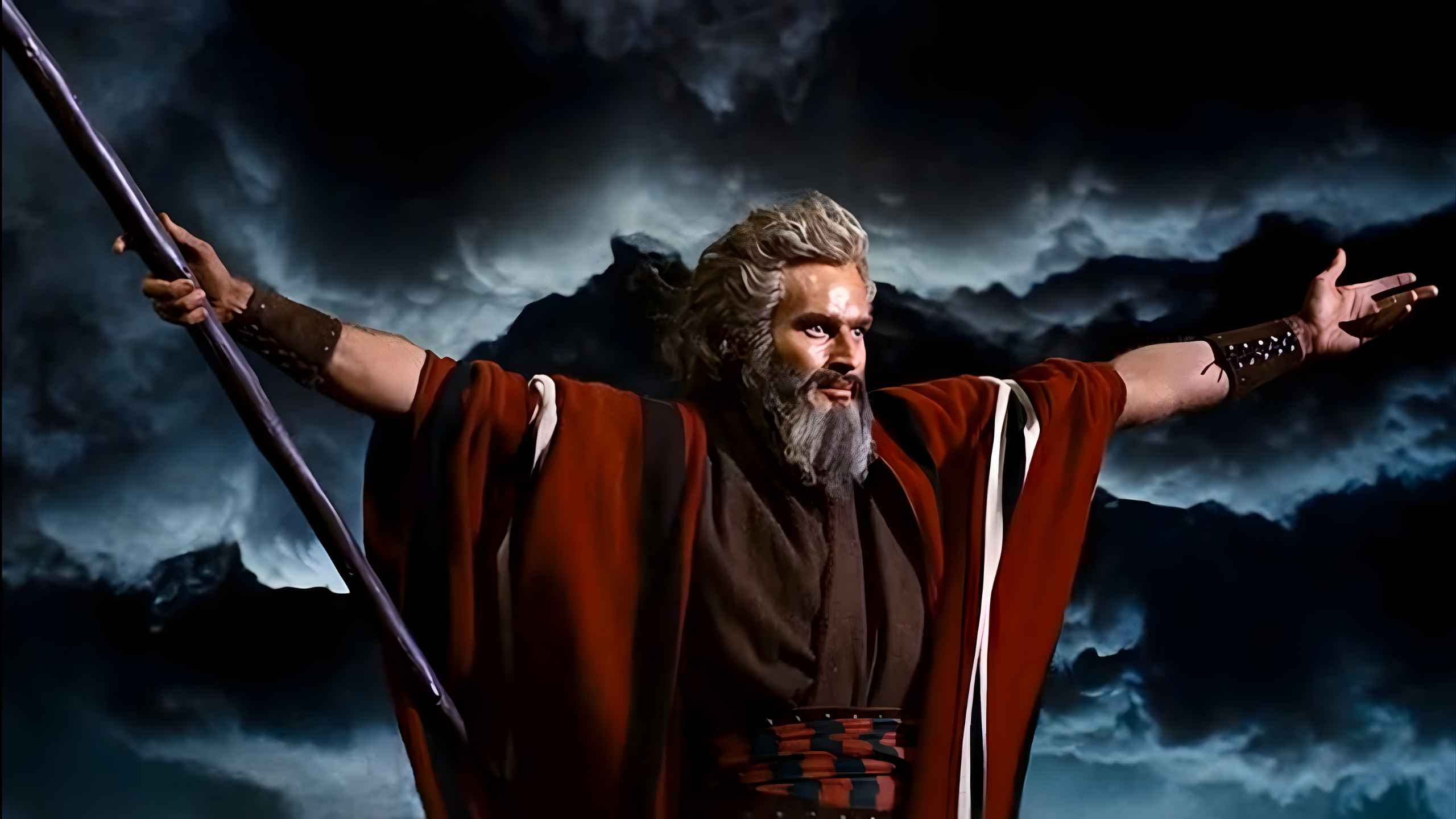

Is Wall Street Crashing Main Street, or Is Main Street Crashing Wall Street?
In a recent conversation with Rupert Carlyon, Managing Director at koura Wealth, we talked about the volatile interplay between Wall Street and Main Street, sparked by a dramatic 9.5% surge in the S&P 500—the largest daily rise since 2008. This market upheaval followed President Trump’s announcement of a 90-day pause on most tariffs, except for a steep 125% levy on China. The question at hand: is Wall Street’s turbulence destabilising Main Street, or are Main Street’s economic realities driving Wall Street’s chaos?
Wall Street’s Reaction: A Response to Main Street Policies
Perhaps this time, Main Street is driving Wall Street’s volatility. Trump’s tariff threats, initially perceived as a blunt instrument to reshape global trade, sent shockwaves through financial markets. The S&P 500 had already slumped 12% since the tariff announcement, with bond yields spiking from 4.1% to nearly 4.5% on the 10-year note. This wasn’t Wall Street overreacting in a vacuum—it was a direct response to policies that could slam Main Street with higher prices. Rupert estimates the average tariff at around 30%, a massive consumption tax that would hit U.S. consumers hard. “No one believes the importers or exporting countries will pay that, it’s a humongous tax on the U.S. consumer.”
U.S. consumers drive a significant amount of the global economy, so a pullback in their spending could trigger a global recession. Wall Street’s panic, reflected in the initial sell-off, wasn’t about abstract financial models—it was about the real-world impact of Main Street paying more for everything from electronics to furniture. Goldman Sachs’ rapid flip from forecasting a recession to retracting it after Trump’s pause underscores how tightly Wall Street is tethered to Main Street’s fate.
Main Street’s Role: A Demand for Change
But why the tariffs in the first place? Decades of globalisation have left entire U.S. regions—like manufacturing and mining towns—all hollowed out. While the top 5% of Americans have amassed unprecedented wealth, many on Main Street feel left behind, blaming trade deals like NAFTA, the end of the Glass Steagall legislation, and China’s WTO entry for job losses. Trump’s tariff rhetoric taps into this anger, offering a simple narrative: China took your jobs, and we’ll bring them back. Is it just clever politicking, by giving them someone to blame, or is this a clever strategy that just might work?
Many are skeptical about Trump’s solutions. With U.S. unemployment at 4.2%, jobs are available, but they’re not the high-paying, lifelong manufacturing roles of the past. The 2008 financial crisis exposed the unsustainability of those old business models, with companies like automakers and steelmakers buckling under pension and wage costs. Bringing back manufacturing would require 15 million skilled workers—a tall order for an economy that’s shifted toward services and tech. Moreover, unions like the UAW, which recently secured a 25% wage hike, could make reshoring jobs prohibitively expensive. Main Street’s demand for change is real, but the practicalities may crash against economic realities.

The Bond Market: Where Wall Street and Main Street Collide
The bond market emerges as a critical nexus. If it wasn’t for those ‘pesky bonds’, perhaps it would be possible to engineer a recession and lock in government debt over more favourable terms. Many (mostly on the left but not always) believe less in the “art of the deal” and more a capitulation to this pressure. “If he loses the support of the bond market, that’s the quickest way to end his presidency.” A destabilised bond market doesn’t just rattle Wall Street—it threatens Main Street’s access to credit, from mortgages to business loans, potentially choking the broader economy.
China and Global Ripples
Enter the dragon. While Trump’s tariffs target China explicitly, this could be part of a broader strategy to rally allies like Australia and New Zealand against a perceived strategic foe. However, this puts countries in a bind—China is New Zealand’s largest trading partner, and tariffs could disrupt regional economies. It’s possibly one of the biggest questions we’re quietly all thinking right now in NZ, when it comes time to choosing sides, will we go with China for economic stability the U.S. for military protection. Wall Street’s volatility, driven by U.S. policy, could ripple through Main Streets globally.
Investment Implications: How Do We Deal With Uncertainty?
For investors, the volatility underscores a key lesson: It feels sometimes that we need to respond to the market, and other times we need to let it run. How do we know when to do what? Missing the S&P 500’s top 10 days over 15 years slashes returns from 10% annually to 2%. Even just last week’s swings—down 12%, then up 9.5%—prove the point. “You’ll get a few right, but you’ll get a few wrong,”. The investment industry has a massive conflict of interest, in suggesting people should stay the course when sometimes that signs are obvious they shouldn’t. No one want’s to be blamed for mistakes here, and there’s not enough reward for being right at the retail level – so we dollar-cost average into diversified funds, acknowledging risks like a potential “lost decade” for stocks if interest rates trend higher.
It’s About The Economy Stupid, But It Goes Both Ways.
So, is Wall Street crashing Main Street, or vice versa? Perhaps it’s Main Street’s economic frustrations—channeled through policy—that are shaking Wall Street? Tariffs, born from Main Street’s demand for fairness, threaten to raise costs and curb consumption, which Wall Street prices in real-time. Yet, Wall Street’s overreactions, like bond yield spikes, can tighten credit and hurt Main Street’s growth. It’s a feedback loop where neither side escapes unscathed. The real risk? If Main Street’s anger keeps driving policies that destabilise both, a mutually assured destruction of both is possible.