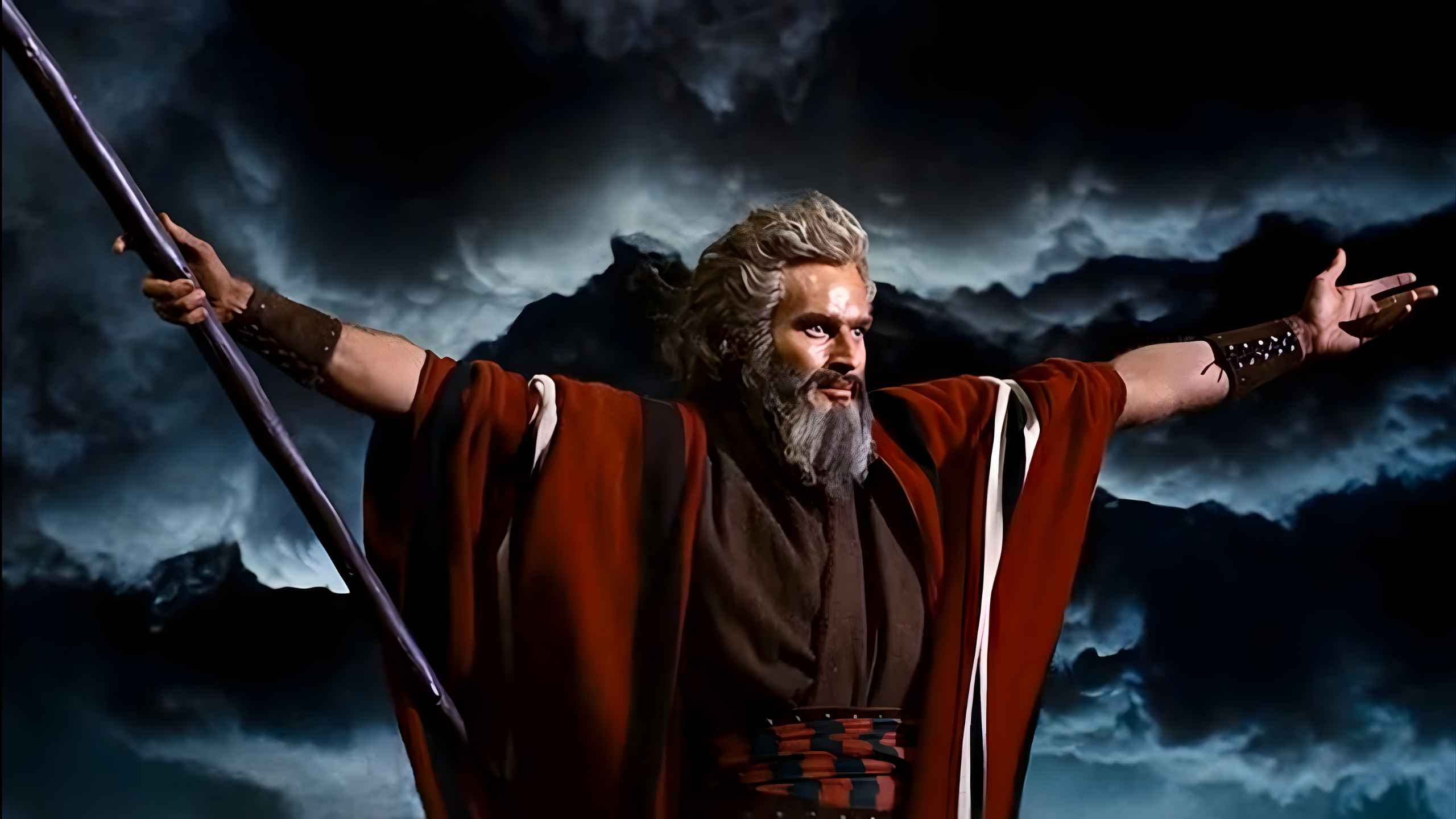
In the 1956 classic, The 10 Commandments, Pharaoh Rameses used the phrase “So let it be written; so let it be done” to assert his absolute power, meaning his decree is law and must be executed.
It’s tough being a parent who cares about what media his kids consume. Over the past 5 years in particular, it’s been challenging as they grow up to find movies (even kids movies) without a not-so-subtle ideology hiding in the shadows.
As a result, we’ve taken to the classics: The Wizard of Oz, Snow White (not the new one), The Sound of Music, West Side Story, and of course, The 10 Commandments.
What I’ve found in doing this, is that apart from having less concern about what they watch, it’s taught me of the world we once had, and how I ought to invest if we get it again.
One of the themes you spot quickly in the story is the idea of authority, clashing with absolute power. It got me thinking about the changing world my kids will inherit, the organisations or leaders who will dominate, and how they themselves will grow up to [hopefully] become independent.
Pharaoh Rameses had absolute power over the Israelites, but a leader rose up (Moses) with authority granted by the God of Abraham. An economy effectively run by slaves, vanished overnight. Occasionally, authority trumps absolute power.
When President Trump removed President Maduro, some say it was authority. Others say it was just absolute power.
Same thing with President Putin.
Same thing with Prime Minister Netanyahu.
Or the WEF, the UN, WHO, BIS…
Let’s not kid ourselves, they’re playing to win, but not necessarily for you and me. As investors, instead of thinking this is a free market, we need to consider capital controls, surprise taxes, and policy‑driven winners and losers.
There are a couple things I’m certain we’ll see in the next decade, and increased nation state consolidation is one of them. Both absolute power, and authority will be used in the process.
This will/should change how we invest, but we have to be willing to set aside how we think the world should work, and observe how it always has worked.
There will be leaders that rise up and break norms to get things done. International laws will change, currencies will change, and all sorts of things we take for granted today, may one day come at a cost. No longer can we be deterministic in our thinking. Tariffs may not cause inflation, superpowers might engage in direct conflict, without it going nuclear, and lower interest rates will still arrive. Passive investing that ‘own the market’ may struggle against active strategies that dynamically respond. Ethical investment themes may underperform if we’re heading into war… I don’t like it either, but we may need to choose between wealth, and having influence with our investment dollars.
Here’s one way to play it:
-
Core “resilience” sleeve (commodities, metals, real assets, defense, small/mid caps). THESE may be the investments most likely to endure this current turmoil.
-
Opportunistic “power‑benefiting” sleeve (AI, mega‑caps, financials) – this may rip but it’s going to be more policy‑sensitive and brittle.
For some, it may be wise to consider re‑weighting your portfolio toward things that can’t be printed or censored away. You don’t have to like it for it to be true, but if the world is drifting back toward Pharaohs and empires, what does that say about the kind of assets you’ll want to own when your kids are our age?
Want help with that? Reach out!